


LEV concept SEV includes the development and production of LEV for shorter travel distances in:

The SEV LEV concept fills the gap between ebikes, emotorcycles, escooters, and Mclass electric vehicles (EVs), while enabling the use in all weather conditions. The development and implementation of the SEV LEV concept are primarily focused on energy efficiency, personal safety, and effective energy recovery through regeneration. This regenerative energy is generated during driving through braking, downhill travel, and the oscillation of the
vehicle’s overall mass. Special attention is paid to approaching a zero carbon footprint throughout the entire life cycle. Energy saving depends primarily on weight, air resistance and a correctly selected propulsion system.
For the successful implementation of the SEV LEV concept, the following key technical principles have been taken into account:
The SEV LEV concept complies with EU typeapproval regulations for two and threewheeled motor vehicles (L6e, L7e).

Platform
The base platform is built around an innovative twoseat monocoque body design, manufactured from materials that can be technologically and costeffectively formed into the desired shape. The platform is designed and produced in a tear-drop form, providing strong aerodynamic performance. At the rear, it transitions into a safety roll bar shaped as an
aerodynamic wing, which helps protect occupants in the event of a vehicle rollover. The body structure is structurally reinforced to provide protection against side impacts and othertypes of collisions.
Battery Pack and Storage Compartment
The front passenger area is dedicated to the battery pack (LiFePO₄, 10 kWh, 48 V). Above the battery pack, there is an integrated storage compartment with a capacity of 200 liters, intended for personal storage.

Drive assembly
The drivetrain consists of two electric motors (3 kW + 3 kW, 48 V) that drive the rear wheels with a narrowed track width of 420 mm. This drivetrain configuration enables optimal use of motor torque, significantly reduces the impact of inrush currents, and provides sufficient performance for a top speed of 80 km/h, acceleration from 0 to 60 km/h in 8 seconds, and reliable hillclimbing capability on gradients of up to 20% at speeds of 40–50 km/h. The design of the drivetrain also plays a significant role in extending the battery’s service life.
Charging
The batteries in the battery pack (10 kWh) are typically charged via a standard household
power supply (220/380 V), with a charging time of approximately four hours when using a 220V connection. The battery pack can also be charged at fastcharging stations; however, this is not recommended due to higher energy loads, which can negatively affect battery lifespan.
Energy Regeneration
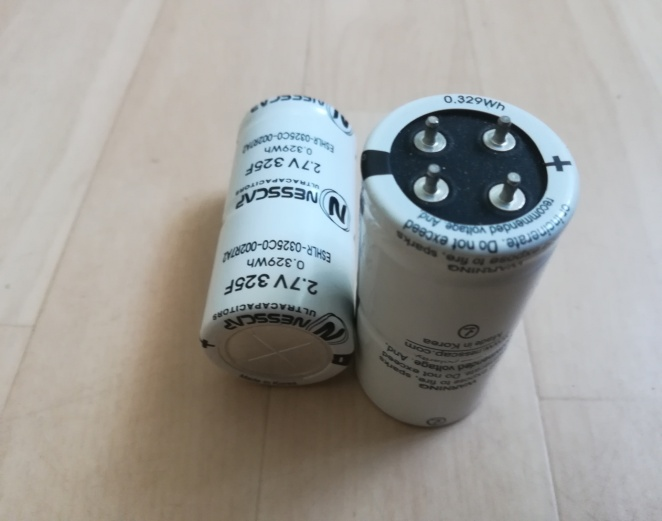
One of the key advantages of electric propulsion is its ability to operate the electric motor in generator mode during braking or downhill driving. In this mode, electrical energy is ecovered and stored in the vehicle’s battery pack. Additional energy can also be generated during driving by harnessing the oscillating kinetic energy of the vehicle’s mass. This energy is captured through electro generative shock absorbers and super capacitors and stored in the battery system. Solar energy acting on the vehicle, particularly under favorable weather conditions is likewise collected via solar elements and stored in the battery pack.The objective of the SEV LEV concept is to recover and store up to 50% of energy through these combined regeneration methods.
Maintenance
It is well known, that electric vehicles require less maintenance due to the smaller number of oving parts. The SEV LEV concept further improves on this advantage by using less stressed and simpler components, specifically designed for integration into the SEV LEV concept. As a result, this also contributes to a longer overall service life of the vehicle.
EndofLife and Recycling
Every device, including an electric vehicle must be dismantled at the end of its service life, with materials reused in further production wherever possible. The materials used in the SEV LEV concept are standard and widely established (the challenge of battery recycling is a global issue), which means that endoflife dismantling and recycling can be carried out in ccordance with current industry standards.
Cleaning
The SEV LEV concept is also intended for use within carsharing systems. This introduces everal additional challenges, particularly related to vehicle cleaning between individual user handovers. Based on currently available information, this aspect is not yet functioningequately. The issue now may be less noticeable due to limited system usage; however, as the system expands, certain challenges can be expected.Ahile a final solution has not yet been fully developed, several concepts are currently being explored. Although these ideas are not yet fully refined, they indicate strong potential for a successful outcome—namely, a simpler and more efficient vehicle cleaning process.
PROJECT STATUS
The prototype of the SEV LEV concept has been tested in realworld conditions. The results of these tests demonstrate, that the vehicle’s conceptual design is well suited for its intended use and provides a solid foundation for further development.


LEV concept SEV
The SEV LEV concept aims to achieve a competitive price point while delivering appropriate vehicle weight, a high level of safety, reduced aerodynamic drag, and an improved energy regeneration process from a technical perspective. Taken together, these features result in lower electrical energy consumption compared to competing electric vehicles. The interior is spacious and offers excellent visibility of the surrounding traffic environment, making it competitive within this segment even when compared to higherpricedelectric vehicles.
TECHNICAL SPECIFICATION
| Number of seats | 2 |
| Engine (kW) | 3×2=6 |
| Torque (Nm) | 150 |
| Acceleration 0-60 (s) | 8 |
| Max. speed (km/h) | 80 |
| Range (km) | 150-200 |
| Battery capacity (kWh) | 10 |
| Battery type | LiFePO4 |
| Charging (Household Power Supply) 0 – 100% (h) | 4 |
| Dimensions L x W x H (m) | 2,45 x 1.5 x 1,5 |
| Wheelbase (m) | 1,8 |
| Front / rear (m) | 1,3/0,4 |
| Turning Radius (m) | 4,5 |
| Maximum Storage Capacity (L) | 200 |
| Curb Weight (kg) | 300 |